
 Athletes don’t just train harder. They fuel smarter. Performance depends on how well the body recovers, builds muscle, and maintains steady energy. Food is not separate from training. It’s part of it.
Eating randomly and training intensely rarely works long term. Structure matters.
Carbohydrates Are The Main Fuel Source
When you train hard, your body uses glycogen, which comes from carbohydrates. Without enough carbs, performance drops. Energy fades faster. Recovery slows.
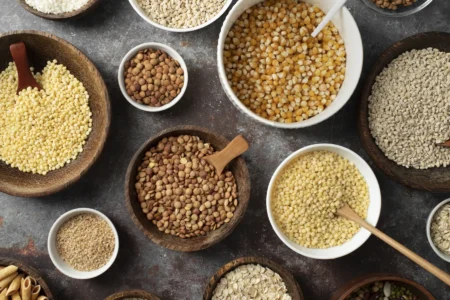
Whole grains, rice, oats, potatoes, fruit, and legumes provide steady fuel. The goal isn’t to eliminate carbs. It’s to choose quality sources that release energy consistently.
Low-carb diets often reduce athletic performance in high-intensity sports.
Protein Supports Muscle Repair
Training creates small muscle damage. Protein repairs and rebuilds it stronger. Athletes need more protein than sedentary people, but not extreme amounts.
Lean meat, fish, eggs, dairy, tofu, beans, and protein-rich plant sources support recovery. Spreading protein throughout the day works better than eating most of it at night.
Muscles grow during recovery, not during the workout.
Healthy Fats Support Hormones
Fats are essential for hormone production, including testosterone and other recovery-related hormones. They also support joint health and reduce inflammation.
Avocados, nuts, seeds, olive oil, and fatty fish provide beneficial fats. Very low-fat diets can negatively affect recovery and energy balance.
Balance is key.
Hydration Is Performance
Even mild dehydration reduces strength, endurance, and focus. Athletes lose fluids through sweat and need consistent replenishment.
Water is usually enough for moderate training. Long or intense sessions may require electrolytes to replace sodium and other minerals.
Hydration directly affects power output.
Micronutrients Matter More Than People Think
Iron supports oxygen transport. Magnesium supports muscle function. B vitamins help convert food into usable energy. Calcium and vitamin D support bone strength.
Deficiencies reduce performance gradually, not dramatically. That makes them easy to miss.
Whole foods usually provide better micronutrient coverage than relying only on supplements.
Pre-Workout And Post-Workout Timing
Before training, athletes benefit from easily digestible carbs and moderate protein. This supports energy without heaviness.
After training, combining protein and carbohydrates helps replenish glycogen and repair muscle tissue. The sooner this happens, the faster recovery begins.
Timing doesn’t need to be perfect, but consistency helps.
Avoid Extreme Diet Trends
Athletes sometimes follow restrictive trends that cut entire food groups. This often leads to energy instability and slower recovery.
Performance nutrition is about fueling, not limiting. The body needs variety to perform consistently.
Individual Needs Depend On Sport
Endurance athletes require more carbohydrates. Strength athletes require slightly higher protein. Team sport athletes need a balance of both. Training intensity, body size, and frequency also change requirements.
There isn’t one universal athlete diet. There is a framework that adjusts to demand.
Food Is Part Of Training
Athletes who eat well recover faster, train harder, and stay healthier longer. Those who ignore nutrition often plateau despite effort.
Food supports performance quietly. It determines whether training builds you up or slowly wears you down.
Athletic success isn’t just about discipline in the gym. It’s about consistency at the table.
Picture Credit: Freepik