
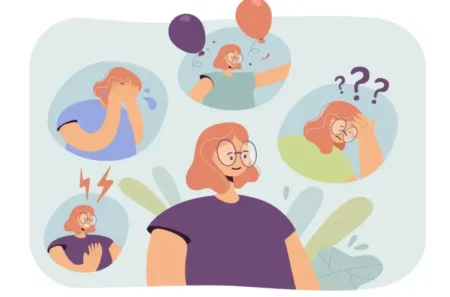
 Anxiety is a normal part of the human stress response. Feeling nervous before an important meeting, worrying about an uncertain situation, or becoming alert when something feels dangerous does not automatically mean that something is wrong. Anxiety can help us recognize threats and prepare to respond to them.
The problem begins when anxiety becomes persistent, difficult to control, or strong enough to interfere with sleep, work, relationships, or everyday activities. Research suggests that anxiety rarely comes from one single cause. Biology, stressful experiences, thought patterns, behavior, and lifestyle factors can all play a role.
Where Does Anxiety Come From?
Anxiety involves the brain and body’s systems for detecting and responding to possible threats. When your brain interprets something as dangerous, your body can prepare for action by increasing alertness and producing physical changes such as a faster heartbeat or tense muscles. This reaction makes sense during genuine danger, but anxiety can also appear when the threat involves uncertainty, social situations, health concerns, work, money, or imagined future events. Researchers view anxiety disorders as complex conditions influenced by multiple factors rather than a single personality trait or weakness.
Why Some People Experience More Anxiety Than Others
Genetics can influence vulnerability to anxiety, but genes do not determine exactly what will happen to a person. Environment and life experiences matter as well. Chronic stress, difficult experiences, major life changes, uncertainty, and learned patterns of responding to perceived threats may contribute to anxiety. Different people can therefore experience the same situation very differently. One person may see an upcoming presentation as manageable, while another may experience intense worry, physical tension, and thoughts about everything that could go wrong.
Why Anxiety Can Feel So Physical
Anxiety does not exist only in your thoughts. It can affect the entire body. People may experience a racing heart, sweating, trembling, muscle tension, stomach discomfort, dizziness, shortness of breath, or difficulty sleeping. These sensations can sometimes create another layer of fear. For example, someone notices their heart beating faster, worries that the sensation means something dangerous, becomes more frightened, and then experiences an even stronger physical response. Understanding this connection between thoughts, emotions, and physical sensations plays an important role in many approaches to anxiety treatment.
Avoiding Anxiety Can Sometimes Make It Stronger
Avoidance can provide immediate relief, which makes it especially tempting. If social situations create anxiety, staying home may make you feel better that evening. If driving produces fear, avoiding highways may temporarily reduce stress. The problem is that repeated avoidance can prevent the brain from learning that a situation may actually be manageable. This principle helps explain why exposure strategies play an important role in evidence-based treatments for several anxiety disorders. Instead of eliminating every uncomfortable feeling, treatment can help people gradually learn to tolerate anxiety and respond differently to feared situations.
What Research Says About CBT for Anxiety
Cognitive behavioral therapy, or CBT, has some of the strongest research support among psychological treatments for anxiety disorders. CBT helps people recognize patterns between thoughts, emotions, physical reactions, and behavior and develop more useful ways of responding to anxiety. A meta-analysis of 41 randomized placebo-controlled studies involving 2,843 participants found that CBT produced meaningful improvements in symptoms of anxiety-related disorders compared with placebo conditions. More recent research continues to support CBT as an effective treatment across several anxiety disorders, although results vary between diagnoses and individuals.
Can Everyday Habits Help Reduce Anxiety?
Lifestyle changes cannot replace professional treatment when someone has a significant anxiety disorder, but everyday habits can support mental health. Regular physical activity, adequate sleep, consistent meals, and reducing excessive caffeine may help some people manage symptoms. Relaxation techniques and slow breathing can also help reduce physical arousal during periods of stress. The goal should not necessarily be to eliminate every anxious thought. A more realistic approach involves improving your ability to recognize anxiety, tolerate temporary discomfort, and continue functioning even when some uncertainty remains.
When Should You Get Professional Help?
Consider speaking with a mental health professional when anxiety becomes difficult to control, persists for a long period, causes significant distress, disrupts sleep, affects relationships or work, or makes you avoid important parts of life. A professional can also help determine whether symptoms come from an anxiety disorder or another condition. Treatment may include psychotherapy, medication, or a combination depending on the individual situation. If anxiety suddenly appears alongside unusual or severe physical symptoms, medical evaluation can also help rule out other possible causes.
Final Thoughts
Anxiety does not come from one simple source, and managing it usually involves more than telling yourself to stop worrying. Biological vulnerability, stress, experiences, thought patterns, and avoidance can interact in different ways. Research supports treatments such as CBT, while healthy routines and coping strategies can complement professional care. Most importantly, persistent anxiety that interferes with everyday life deserves attention rather than endless avoidance.
FAQ
Is anxiety always a mental health disorder?
No. Temporary anxiety is a normal human response to stress, uncertainty, and potential danger. It becomes more concerning when symptoms persist, feel difficult to control, cause significant distress, or interfere with normal daily activities.
Can anxiety appear without an obvious reason?
Yes. Sometimes people cannot identify a single trigger. Anxiety can reflect several interacting factors, including biological vulnerability, accumulated stress, learned responses, sleep problems, and patterns of thinking or behavior.
Does avoiding stressful situations help anxiety?
Avoidance may reduce anxiety temporarily, but repeated avoidance can maintain certain fears over time. Evidence-based therapies often use gradual, structured exposure to help people develop a different response to feared situations.
What therapy has strong evidence for anxiety?
Cognitive behavioral therapy has extensive research support for several anxiety disorders. CBT can include different techniques depending on the condition, including cognitive strategies, behavioral changes, and carefully planned exposure exercises.
Picture Credit: Magnific